

Neem oil is one of the most versatile natural products used in gardening, animal care, and DIY personal care recipes. Derived from the seeds of the neem tree, neem oil has been used for generations in a variety of applications and remains a popular choice for people looking for plant-based alternatives.
Many gardeners use neem oil spray on plants, while others incorporate it into soil drenches, homemade bug sprays, and personal care products.
In this guide, you'll learn how to use neem oil, how to mix neem oil properly, and five simple neem oil recipes for plants, animals, and everyday use.
Quick Answer: How To Use Neem Oil
Neem oil is commonly mixed with water and a small amount of mild soap before being applied as a foliar spray or soil drench. The exact neem oil dilution ratio depends on the application, but many plant sprays use approximately 1 teaspoon of neem oil per quart of water.

For best results:
- Mix thoroughly before use
- Shake frequently during application
- Spray both sides of the plant leaves
- Use freshly mixed solutions within 8 hours
Neem Oil Recipe Comparison
| Recipe | Common Use | Application Method |
|---|---|---|
| Neem Oil Plant Spray | Garden maintenance | Foliar spray |
| Neem Oil Soil Drench | Root zone treatment | Soil application |
| Neem Oil Bug Repellent | Animal care | Spray application |
| Neem Oil Head Care Recipe | Hair and scalp care | Topical application |
| Neem Oil Body Balm | Personal care | Direct application |
1. Neem Oil Plant Spray Recipe
One of the most popular ways to use neem oil is as a garden spray. Many gardeners use neem oil spray as part of their regular plant care routine.
What Is Neem Oil Spray Used For?
Neem oil spray is commonly used around:
- Aphids
- Spider mites
- Whiteflies
- Fungus gnats
- Mealybugs
- Thrips
- Powdery mildew
- Black spot
For best results, spray both the tops and undersides of leaves where pests often gather.
Neem Oil Dilution Ratio For Plants
A common neem oil dilution ratio for plants is:
- 1 teaspoon cold-pressed neem oil
- ½ teaspoon Castile soap or insecticidal soap
- 1 quart warm water
Always test a small area before spraying an entire plant.

Ingredients
Home Garden Recipe (32 oz)
- 1 tsp cold-pressed neem oil
- ½ tsp Castile soap
- 1 quart warm water
Large Batch Recipe (4 Gallons)
- ⅝ cup cold-pressed neem oil
- 2½ tsp Castile soap
- 4 gallons of warm water
Mixing Instructions
- Add soap to warm water.
- Slowly add neem oil while stirring.
- Mix thoroughly.
- Pour into a sprayer.
- Shake frequently during use.
Use the mixture within 8 hours of mixing.
How To Apply Neem Oil Spray
Spray plants thoroughly, paying special attention to the undersides of leaves.
Routine Plant Care
Apply every 14 days.
Active Pest Activity
Apply once per week until activity decreases.
After Rain
Reapply if heavy rain washes the spray from the leaves.
2. Neem Oil Soil Drench Recipe
A neem oil soil drench is commonly used around the root zone of plants. Many gardeners include soil drenches as part of their regular garden maintenance routine.

When To Use A Neem Oil Soil Drench
Soil drenches are commonly used around:
- Fungus gnats
- Container plants
- Root-zone pests
- Recurring garden issues
Ingredients
- 3 Tbsp cold-pressed neem oil
- 1 tsp Castile soap
- 1 quart warm water
Directions
- Combine neem oil and soap.
- Add mixture to warm water.
- Stir thoroughly.
- Apply directly to the soil around the base of the plant.
Application Schedule
For routine maintenance, many gardeners apply a soil drench once per month.
During periods of increased pest activity, some gardeners apply it weekly until conditions improve.
3. Neem Oil Bug Repellent Recipe
This homemade neem oil fly spray recipe is commonly used around horses, cattle, and other animals when properly diluted.
Ingredients
- 2 cups vinegar
- 4 cups warm water
- ¼ cup neem oil
- ½ tsp garlic essential oil (optional)
Directions
- Add vinegar to a spray bottle.
- Add warm water.
- Add neem oil.
- Add garlic essential oil if desired.
- Shake thoroughly before each use.
Because oil naturally separates from water, continue shaking the bottle during application.
4. Neem Oil Head Care Recipe
Neem oil is commonly included in DIY hair and scalp care routines. Because neem oil is highly concentrated, it should always be diluted before application.

Ingredients
- 2 Tbsp cold-pressed neem oil
- 1 Tbsp carrier oil (Avocado oil, MCT oil, or Grapeseed oil)
- Natural Shampoo
Directions
- Mix neem oil with a carrier oil.
- Warm slightly if desired.
- Apply to the scalp and hair.
- Leave on for approximately one hour.
- Wash thoroughly with shampoo.
5. Neem Oil Body Balm Recipe
Neem oil is often included in homemade body balm recipes because it blends well with a variety of natural oils and butters.
Ingredients
- 1½ Tbsp Shea Butter
- 2 Tbsp Cocoa Butter
- 1¼ Tbsp Castor oil
- 1½ Tbsp Grapeseed oil
- ¾ Tbsp neem oil
- ¼ tsp vitamin E oil (optional)
Directions
- Melt cocoa butter, shea butter, castor oil, and grapeseed oil.
- Allow the mixture to cool slightly.
- Add neem oil and vitamin E oil.
- Mix thoroughly.
- Pour into a container and allow it to set.
Neem Oil Recipe FAQs
How Do You Mix Neem Oil For Plants?
Many gardeners mix neem oil with water and a small amount of mild soap to help the oil blend evenly. Soap acts as an emulsifier and helps distribute the neem oil throughout the spray solution.

What Is The Best Neem Oil Dilution Ratio?
A common mixture uses 1 teaspoon of neem oil and ½ teaspoon of mild soap per quart of water. Always test a small area before spraying an entire plant.
How Often Should You Spray Neem Oil?
Many gardeners spray neem oil every 14 days for routine maintenance and once per week during periods of heavier pest activity. Application frequency may vary depending on weather conditions and plant sensitivity.
Can Neem Oil Be Used As A Soil Drench?
Yes. Neem oil soil drenches are commonly used around the root zone as part of regular garden maintenance. Many gardeners include them in their monthly plant care routines.
How Long Does Neem Oil Spray Last?
Freshly mixed neem oil spray is typically most effective when used within 8 hours of mixing. After that, the mixture may begin to lose effectiveness.
Can Neem Oil Be Used On Vegetable Gardens?
Yes. Neem oil is commonly used on tomatoes, peppers, cucumbers, herbs, and other vegetable garden plants. Testing a small area first is always recommended.
Final Thoughts
Neem oil remains one of the most versatile products used in gardening, animal care, and DIY personal care recipes.
Whether you're making a neem oil plant spray, soil drench, bug repellent, or body balm, using the proper dilution ratio and application method can help you get the most from each recipe.
By following these simple neem oil recipes and application guidelines, you can confidently incorporate neem oil into your regular plant care and household routines.
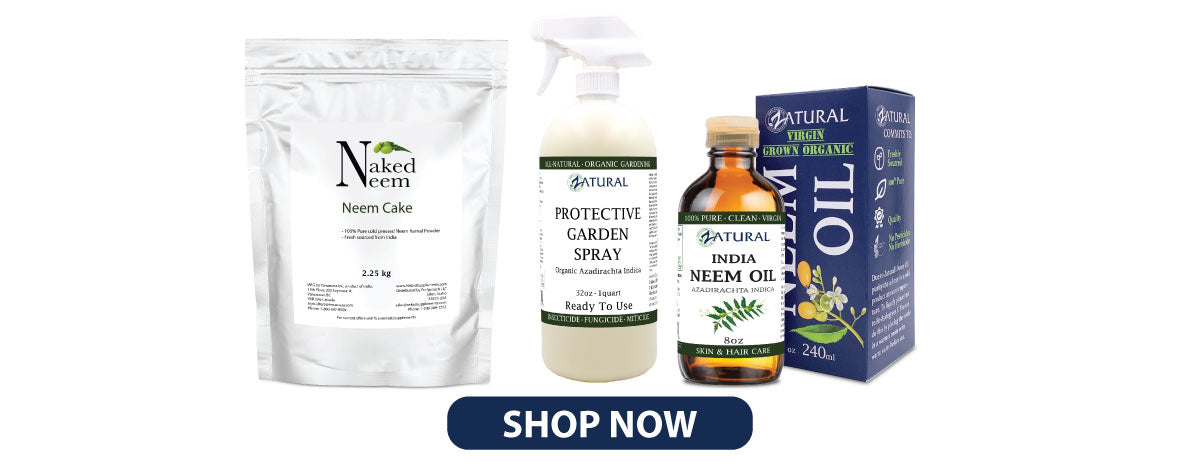
Why Choose Zatural Neem Oil?
At Zatural, we offer 100% pure cold-pressed neem oil made from carefully sourced ingredients.
Whether you're creating a neem oil garden spray, soil drench, or DIY recipe, our neem oil provides a simple and versatile option for a variety of natural applications.
For educational purposes only
*FDA DISCLAIMER -The FDA has not evaluated these statements.
2 comments
Great question! Yes, you can absolutely still harvest your asparagus after spraying. Because the solution uses natural, plant-based ingredients, there is a 0-day pre-harvest interval, meaning it is safe to harvest even the same day you spray.
However, for the best taste and texture, we recommend harvesting your spears before you apply the spray, or waiting 24 hours after spraying if possible (just so the oil has time to do its job on the beetles). Before eating, a thorough rinse under cool, running water is all you need to wash away any remaining residue. Happy gardening!
Question: So the solution ingredients listed above for asparagus beetles, can asparagus spears still be harvested following spray? If yes, how soon after? And just rinse down with water?