

Flies can be a major problem for cattle, horses, and other farm animals. Many farmers look for natural ways to help manage flies without relying heavily on harsh chemical sprays.
Homemade neem oil fly spray has become a popular option for use in a natural fly control routine for livestock and other farm animals.
In this guide, we’ll explain how to make neem oil fly spray for cattle, horses, and other farm animals, how to apply it properly, and important safety considerations to keep in mind.
What Is Neem Oil?
Neem oil is derived from the seeds of the neem tree, native to the Indian subcontinent. People have used it for centuries in traditional medicine and agriculture because of its potent properties.
Neem contains compounds such as azadirachtin, nimbin, and nimbidin, which have insecticidal, antiseptic, and repellent properties. These compounds disrupt the growth and development of flies, repel them from animals, and inhibit their ability to lay eggs. Neem will kill irritating pests and beneficial insects.
Neem oil is available in insect-repellent concentrated solutions, ready-to-use sprays, and powders. These products can be applied directly to animals or their surroundings to effectively manage farm fly populations.
Why Farmers Use Neem for Fly Control
Flies can cause various problems in farm animals, including irritation, stress, and reduced productivity. They can also transmit diseases and parasites, leading to health issues and decreased livestock quality. Fly infestations can cause decreased milk production, weight gain, and animal reproduction rates, resulting in economic loss.

Additionally, fly-borne diseases can lead to veterinary expenses and treatment costs, impacting total profits. Flies, mosquitoes, and other biting flies can quickly spread across fly-infested areas if insect control methods are not consistently applied on farms.
Effective fly control methods are essential to maintaining animal welfare, supporting cleaner and more comfortable animal environments, and optimizing farm productivity. However, choosing natural ingredients over synthetic insect repellent options helps reduce risks to animals, humans, and the surrounding environment.
Neem Oil vs Commercial Fly Sprays
Many farmers choose neem oil as an alternative to commercial products that often contain harsh or harmful chemicals. While commercial fly sprays may offer short-term relief, neem provides a more natural option for long-term insect control without relying on synthetic insect repellents.
When properly diluted, neem oil can be one of the natural options among farmers' options for farm animals, including horses and cattle. Knowing how to dilute neem for horses is especially important, as sensitive skin may react to overly concentrated mixtures.
Using the correct dilution ratio helps ensure an effective fly spray that repels flies without causing irritation.
This makes neem oil fly control for cattle and horses a preferred choice for farmers looking to reduce exposure to unnecessary chemicals while still managing biting insects effectively.
| Feature | Neem Oil Spray | Commercial Fly Spray |
|---|---|---|
| Ingredients | Plant-based ingredients | Often synthetic ingredients |
| Popular Use | Natural farm routines | Traditional fly control |
| Scent | Earthy aroma | Chemical fragrance |
| Mixing Options | DIY dilution options | Pre-mixed products |
| Farm Use | Common among natural farming routines | Widely used commercially |
Homemade Neem Oil Fly Spray Recipe
Our recipe illustrates the best way to dilute neem oil for horses, cattle, and other animals. It is easy to follow and will help reduce the cost. Store-bought sprays are expensive and often contain harsh chemicals.

Ingredients
- 1 cup vinegar
- 2 3/4 cups warm water
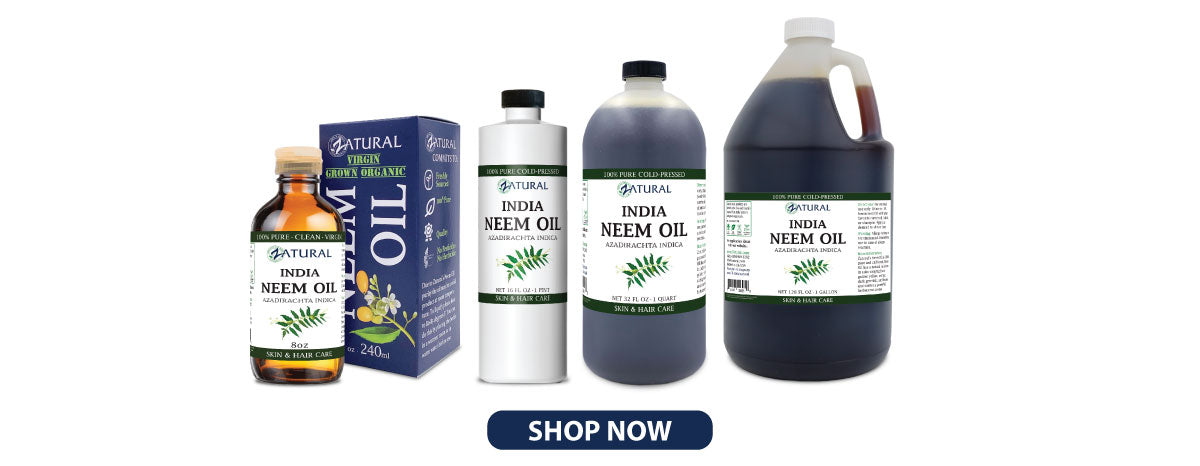
- 1/4 cup Zatural Neem Oil
- 1/2 tsp garlic or tea tree essential oil
Supplies Needed
- Spray bottle
- Funnel
Directions
- Remove the spray nozzle and insert a funnel.
- Add vinegar to the bottle.
- Pour in warm water.
- Add neem oil and essential oil.
- Replace the nozzle and shake thoroughly.
- Shake before each use to help redistribute the oil.
How to Apply Neem Oil Fly Spray
Neem oil is commonly used in natural fly management routines for cattle, horses, and other farm animals. Many farmers use homemade neem oil sprays as part of their regular livestock care routine.

Shake Before Each Use
Neem oil naturally separates from water, so it’s important to shake the spray bottle thoroughly before each application to help evenly distribute the mixture.
How to Spray Farm Animals
Hold the spray bottle about 12 inches away from the animal and lightly mist the coat.
Focus on areas where flies commonly gather, including:
- neck
- legs
- shoulders
- back
Avoid spraying near the eyes, nose, or mouth.
When to Reapply Neem Oil Spray
Reapply the spray as needed, especially after:
- rain
- heavy sweating
- washing animals
- extended outdoor exposure
Many homemade neem spray mixtures are best used within 3–4 days when stored in a cool area away from direct sunlight.
Application Frequency
Application frequency may vary depending on:
- weather conditions
- fly activity
- animal environment
- individual livestock needs
Some farmers apply neem oil spray daily or every other day as part of their regular fly management routine.
Different Ways to Use Neem Oil Around Farms
Fly spray for animals: Diluted neem can be applied as a fly spray on horses, cattle, goats, and other livestock to repel flies, mosquitoes, and biting insects.
Barn and stall spray: Neem oil can be used on walls, doors, and surfaces inside barns and stalls to help control fly populations in animal living areas.
Manure and fly-infested areas: Applying neem around manure piles and fly-prone zones helps disrupt fly breeding and supports overall insect control.
Coat and leg protection: Lightly misting animals’ legs, necks, and shoulders can help reduce fly irritation where insects tend to gather most.
Natural alternative to commercial fly spray: Neem oil offers an option for farmers looking to reduce exposure to harmful chemicals commonly found in commercial fly sprays.
Integrated pest management support: Neem can be used alongside other natural insect repellents as part of a broader fly control strategy for farm animals.
Neem Oil Safety Tips for Farm Animals
Neem oil is commonly used in farm and livestock care routines, but proper dilution and application are important when using homemade sprays around animals.

Dilute Neem Oil Properly
Always follow recommended mixing ratios when preparing neem oil spray for cattle, horses, and other farm animals.
Using overly concentrated mixtures may increase the risk of skin irritation or discomfort.
Avoid Sensitive Areas
Do not spray neem oil directly near:
- eyes
- nose
- mouth
- open wounds
- irritated skin
When applying spray, lightly mist the animal’s coat while avoiding sensitive areas.
Monitor Animals After Application
After using neem oil spray, monitor animals for any signs of irritation or sensitivity.
If irritation occurs, discontinue use and consult a veterinarian.
Store Spray Safely
Keep homemade neem oil spray stored in a cool area away from direct sunlight.
Always keep spray bottles out of reach of children and animals to help prevent accidental ingestion.
Consult a Veterinarian if Needed
Farmers may wish to consult a veterinarian before using neem oil around:
- pregnant animals
- nursing animals
- animals with health conditions
- animals receiving medications or treatments
Neem Oil Fly Spray FAQ
Can You Use Neem Oil For Cattle?
Neem is commonly used in diluted sprays for cattle and other livestock. Farmers often use it as part of their natural horn fly management routine.

How Do You Dilute Neem Oil For Horses?
Neem oil is typically mixed with water and additional ingredients like vinegar before application. Always shake thoroughly before spraying.
How Often Should A Homemade Fly Repellent Spray For Cattle Be Applied?
Application frequency may vary depending on weather conditions, animal activity, and environmental factors.
Does Neem Oil Smell Strong?
Neem has a natural, earthy, and garlic-like scent that some people find strong.
Can Neem Oil Be Sprayed In Barns?
Some farmers use diluted neem oil sprays around stalls, barns, and fly-prone areas as part of broader farm maintenance routines.
Is Homemade Fly Spray Cheaper Than Store-Bought Spray?
Many farmers prefer homemade fly spray recipes because they can be more affordable than commercial products.
Final Thoughts
Managing flies around cattle, horses, and farm animals is an important part of maintaining comfortable farm environments.
Many farmers use neem oil as part of their natural livestock care routines because it can be mixed into homemade spray recipes and used around barns, stalls, and other farm areas.
Whether you’re looking for a homemade fly spray for cows or a natural farm spray alternative, neem oil remains a popular option among livestock owners.
Why Choose Zatural Neem Oil?
Zatural only provides all-natural products that are organically grown. Our Neem is cold-pressed and contains a pure profile. Every bottle contains Neem fresh from India and is hand-bottled in a GMP-compliant facility. Click here to learn more about why Zatural Neem oil is the best.
For educational purposes only
Zatural Neem Oil
For Educational Purposes Only