

Omega benefits extend far beyond being “good fats.” Omega fatty acids are polyunsaturated fatty acids essential for overall health, supporting heart health, brain function, joint comfort, skin health, and mood balance.
Including them in your diet may help in reducing the risk of conditions, promoting well-being, and improving your quality of life. Whether through oily fish, plant-based sources, or supplements, these fats are crucial for maintaining a healthy body and mind.
Omega-3 Benefits at a Glance
Omega-3 fatty acids are essential fats that play an important role in overall health. They are commonly included in diets and wellness routines for their wide range of uses.
Here are some of the most well-known omega-3 benefits:
- Supports heart health and normal cholesterol levels
- Helps maintain brain function and focus
- Promotes joint comfort and flexibility
- Supports skin hydration and overall skin health
- Known for its anti-inflammatory properties

Because the body cannot produce omega-3s on its own, getting them through food or supplements is an important part of maintaining a balanced routine.
Understanding Omega Fatty Acids
Omega fatty acids are a group of essential fats that the body cannot produce in sufficient amounts on its own. The three main types — omega-3, omega-6, and omega-9 — serve distinct functions:
- Omega-3s are well-known for their anti-inflammatory effects, supporting heart, brain, joint, and skin health.
- Omega-6s help with cell growth, energy production, and immune function, but balance is key. Too much omega-6 relative to omega-3 can increase inflammatory responses.
- Omega-9s aren’t essential, but they support cardiovascular function and help reduce LDL cholesterol.
Balancing these fatty acids in your diet is essential for long-term health.
Omega-3 Fatty Acids: The Anti-Inflammatory Powerhouse
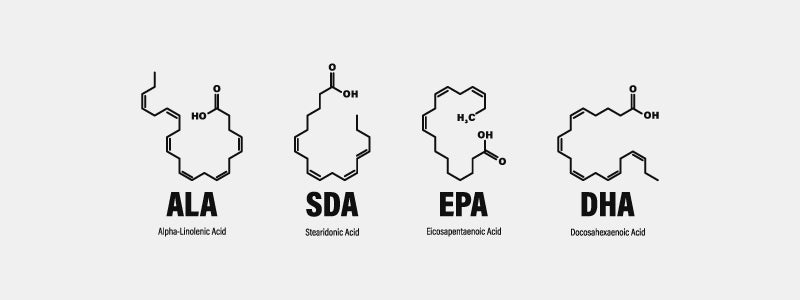
Omega-3 fatty acids benefits are supported by decades of research. The main types include ALA, EPA, and DHA. Each contributes unique advantages:
- Alpha-linolenic acid (ALA) comes from plant sources like hemp seeds (Super Food), flaxseeds, chia seeds, walnuts, and soybeans.
- Eicosapentaenoic acid (EPA) and docosahexaenoic acid (DHA) are found in fatty fish like salmon, mackerel, sardines, and tuna.

Advantages of omega-3 fatty acids include:
- Reduced risk of heart disease by lowering LDL cholesterol and high triglyceride levels
- Anti-inflammatory effects that can improve symptoms of rheumatoid arthritis and other joint conditions
- Support for brain function, including memory, focus, and cognitive performance
- Mood regulation and improvement in mental health
Research suggests that taking an omega-3 supplement or a fish oil supplement can deliver these benefits for those who don’t eat enough fish regularly. Consuming fatty fish at least twice per week is another proven method to get enough EPA and DHA.
Omega-6 Fatty Acids: Essential but Often Overused
Omega-6 fatty acids, including linoleic acid, are important for cell growth, skin health, and energy. They are found in nuts, seeds, and vegetable oils like corn, sunflower, and safflower oil.
However, modern Western diets often contain far more omega-6 than omega-3, which may increase inflammatory responses. Balancing omega-3 and 6 benefits is vital. Pairing omega-6 foods with sources of omega-3s — like fatty fish or flaxseeds — can help maintain a healthier ratio.
Omega-9 Fatty Acids: Heart-Friendly Fats
Omega-9s are not essential because your body can make them, but they still have health benefits. Foods like olive oil, avocados, almonds, and cashews are excellent sources. Omega-9 fatty acids can:
- Lower LDL cholesterol and improve heart health
- Support healthy cell membranes
- Reduce inflammation and support cardiovascular function
Adding omega-9 fatty acids alongside omega-3s and omega-6s strengthens your overall fatty acid profile and supports long-term wellness.
Omega-3 For Skin Health
Healthy skin depends on the right balance of fats. Omega-3 fatty acids benefits extend to the skin by strengthening the skin barrier, promoting moisturizing effects, and reducing inflammation. This can help with dryness, irritation, eczema, and psoriasis.
Meanwhile, omega-6 fatty acids help maintain hydration and elasticity. Incorporating omega-rich foods or topical oils like hemp seed oil can enhance tissue growth and leave your skin soft, smooth, and glowing.
Omega Fatty Acids and Joint Health
Chronic joint discomfort, like rheumatoid arthritis, can be eased with omega fatty acids. Omega-3s reduce inflammation, leading to less stiffness and discomfort. Omega-6 and omega-9 fats support joint flexibility, mobility, and overall comfort.

Research suggests that long-term omega-3 intake may help reduce reliance on medications and support joint health naturally, making these fats crucial for active lifestyles.
Omega-3s for Brain Health and Mood
The brain relies heavily on omega-3 fatty acids for optimal function. EPA and DHA are critical for neurotransmitter production, which regulates mood, memory, and focus. Studies suggest that diets rich in omega-3s may reduce the risk of depression and support emotional well-being. Including omega-3-rich foods or taking a quality omega-3 supplement can help maintain cognitive health over time.
How to Add Omega Fatty Acids to Your Diet
Getting these essential fats is easier than you think. Try these strategies:
- Eat fatty fish like salmon, mackerel, sardines, or tuna at least two servings per week
- Take a high-quality fish oil supplement or omega-3 supplement if you don’t eat fish
- Use plant sources like hemp seeds, chia seeds, flaxseeds, walnuts, or soy
- Drizzle flaxseed, hemp, or olive oil on salads, vegetables, or cooked dishes
Variety is key. A mix of fatty fish, nuts, seeds, and oils ensures you get all the types of omega-3, omega-6, and omega-9 fatty acids your body needs for heart health, joint comfort, and skin nourishment.
Omega-3 Benefits For The Heart
Heart disease remains a leading risk factor worldwide. Omega-3 and 6-benefits include:
- Lowering LDL cholesterol
- Reducing high triglyceride levels
- Decreasing inflammation in the arteries
- Supporting overall cardiovascular function

Adding polyunsaturated fatty acids through diet or supplements can reduce the risk of heart disease over time. Research suggests regular intake of fatty fish, nuts, and seeds plays a key role in long-term heart health.
Frequently Asked Questions
What do omega-3 fatty acids do?
Omega-3 fatty acids help support several key functions in the body, including heart health, brain function, and joint mobility. They are also known for their role in supporting the body’s natural inflammatory response.
How much omega-3 should you take daily?
Daily needs can vary depending on diet and lifestyle. Many people aim to get omega-3s through food sources like fatty fish, while others choose supplements. It’s generally best to follow product guidelines or speak with a healthcare professional for personalized advice.

What foods are high in omega-3?
Common sources of omega-3 include fatty fish like salmon, sardines, and mackerel, as well as plant-based options like flaxseeds, chia seeds, walnuts, and hemp seeds.
Is it better to get omega-3 from food or supplements?
Both food and supplements can be effective ways to get omega-3 fatty acids. Whole foods provide additional nutrients, while supplements can be a convenient option for those who don’t regularly eat omega-rich foods.
How long does it take for omega-3 to work?
The timeline can vary depending on how much is consumed and individual factors. Some people include omega-3s in their routine for several weeks before evaluating how it fits into their overall wellness goals.
The Bottom Line
Omega fatty acids play an important role in overall health, supporting heart, brain, skin, and joint function while helping the body manage inflammation. They can be found in foods like fatty fish, flaxseeds, chia seeds, hemp seeds, black seeds, and olive oil, or taken through supplements when needed.
Including a balance of omega-3, omega-6, and omega-9 fatty acids in your diet can support long-term wellness and overall body function. Adding these healthy fats to your daily routine is a simple step toward better health.
Zatural Hemp Seed Products

For educational purposes only
*FDA DISCLAIMER -These statements have not been evaluated by the FDA.